Peptides for Weight Loss in Females: A Smarter Path to Lasting Body Composition

Women's bodies rarely lose weight the way a calorie chart suggests, especially as hormones shift through the thirties, forties, and beyond. That reality is pushing more health-conscious women to look past restriction and willpower toward peptide therapy, a category of physician-guided protocols that work with the body's own signaling rather than against it. This guide breaks down which options matter most for female fat loss, how they fit together, and what to weigh before you begin.
Key Takeaways
- GLP-1 peptides such as semaglutide and tirzepatide carry the strongest clinical evidence for weight loss, with trials showing meaningful average reductions in body weight.
- Growth hormone secretagogues like sermorelin support fat metabolism and help preserve lean muscle mass while supporting the body's natural production of GH.
- Many women pair a GLP-1 with sermorelin so appetite control and body composition goals reinforce one another.
- Microdosing and oral-first formats can soften side effects and make starting peptide therapy feel far less intimidating.
- Weight tends to return after stopping, so peptide therapy works best alongside a healthy lifestyle and ongoing medical supervision.
Why Weight Loss Looks Different for Women
Most weight loss advice was built around a male physiology that does not match how many women actually gain and lose fat. Estrogen shapes where the body stores fat, how readily it burns it, and how sensitive cells stay to insulin. When hormone levels move, so does the scale, often in ways that feel disconnected from diet or effort.
This matters because stubborn weight gain in women is frequently a hormonal signal, not a discipline problem. Understanding that shift is the first step toward choosing tools that address the cause.
The Hormonal Shifts Behind Stubborn Weight Gain
As women move through perimenopause and menopause, declining estrogen redistributes fat toward the abdomen and slows the metabolic rate. Visceral fat can climb from roughly 5 to 8 percent of total body fat in the premenopausal years to 15 to 20 percent afterward, and the same hormonal changes nudge the body toward insulin resistance.¹ Menopause symptoms often arrive alongside disrupted sleep and a rising stress hormone load, both of which make weight loss harder.
Thyroid function and hormonal balance play their part too. When any of these systems drift, weight gain can appear even when habits have not changed. Peptide therapy enters the picture here because several peptides act on these underlying signals rather than simply suppressing appetite.
What Peptides Are and Why They Matter for Female Fat Loss
Peptides are short chains of amino acids, the same building blocks that make up proteins. Because they act as signaling molecules, certain peptides can tell the body to release its own GH, repair tissue, or regulate appetite. Most therapeutic peptides are not stimulants. They nudge the body's natural processes in a specific direction.
That mechanism is why interest in peptide therapy for female fat loss has grown so quickly. Instead of forcing the body to burn fat through harsh stimulants, the right peptides support fat metabolism, insulin sensitivity, and hormone balance in a more measured way. The catch is that not all peptides are equal, and unregulated peptides sold outside medical channels carry real safety concerns.
How Peptide Therapy Supports Body Composition
Body composition, the ratio of fat to lean tissue, often matters more than total body weight. Two women at the same weight can look and feel completely different depending on how much lean muscle they carry. Peptide therapy can help shift that ratio by supporting fat loss while protecting muscle.
This is a meaningful distinction. Aggressive dieting tends to strip away muscle alongside fat, which lowers metabolism and makes weight regain more likely. A well-designed peptide therapy plan aims for sustainable fat loss while preserving lean muscle, so the metabolic engine stays intact.
GLP-1 Peptides and the Strongest Evidence for Fat Loss
Among every option discussed online, GLP-1 receptor agonists hold the strongest clinical evidence for fat loss. These peptide based drugs regulate appetite, slow gastric emptying, and improve blood sugar control, which together reduce how much you eat without constant hunger. GLP-1 receptor agonists are FDA-approved for weight management in eligible patients.
In large clinical trials, this class produced average weight loss in the range of about 10 to 20 percent of body weight, depending on the compound and dose.²,³ For many women dealing with significant weight loss goals, that level of response has been difficult to reach through lifestyle changes alone.
Semaglutide and Tirzepatide, Explained
Semaglutide is a common GLP-1 peptide used for weight loss. In the STEP trials, semaglutide produced mean reductions of roughly 15 to 17 percent of body weight over 68 weeks.² Tirzepatide works on two receptor pathways instead of one, and in its pivotal trial average reductions reached the higher end of that range.³
Tirzepatide often delivers greater average weight loss than single-action peptides because of that dual mechanism. That does not make one compound universally better. The right choice depends on your health history, how your body responds, and what your provider recommends. You can read more about compounded semaglutide and compounded tirzepatide to compare how each fits different goals.
Microdosing GLP-1: Why Less Can Be More
Standard practice often pushes patients to the maximum dose and keeps them there. Whoosh takes a different view. The goal is the minimum effective dose, an approach often called microdosing maintenance, where you work toward the lowest amount that keeps appetite and food noise manageable.
Microdosing can reduce the gastrointestinal side effects that lead many women to quit early. It only works when the foundation is in place, including adequate protein, resistance training, and attention to the insulin resistance that contributed to weight gain in the first place. Without that base, lowering the dose tends to invite rebound weight gain.
Oral-First Options for a Lower-Friction Start
Injections intimidate a lot of first-time users. That is one reason oral and tablet-based delivery is gaining ground. The Phase 3 PIONEER-1 trial showed that once-daily oral semaglutide significantly improved blood sugar control and produced meaningful weight loss at the highest dose.⁴ Emerging research on oral delivery for compounds traditionally given by injection continues to expand the options.
For women who want the benefits of modern metabolic support without needles, oral-first protocols lower the barrier to starting peptide therapy and can improve long-term adherence.
Growth Hormone Secretagogues and the Sermorelin Advantage
Growth hormone secretagogues are peptides that prompt the pituitary gland to release growth hormone on its own schedule. Sermorelin is the classic example, a synthetic peptide modeled on the first 29 amino acids of the body's own GHRH.
This category matters for women because GH naturally declines with age, and that decline tracks with shifts in body composition, energy, and recovery. Clinical reviews note that secretagogues such as sermorelin can improve body composition and help with fat loss while supporting lean tissue.⁵
How Sermorelin Works With Your Body
Rather than introducing human growth hormone from the outside, sermorelin stimulates your own GH production through the pituitary gland. Many clinicians prefer this approach because it preserves the body's natural feedback loops instead of overriding them.
The practical payoff is steady support for fat metabolism, restorative sleep, and lean muscle mass, the kinds of changes that compound quietly over months. Sermorelin is one of several such secretagogues, and you can explore sermorelin therapy to see how it fits a longevity-minded plan.
The Perfect Synergy: Stacking a GLP-1 With Sermorelin
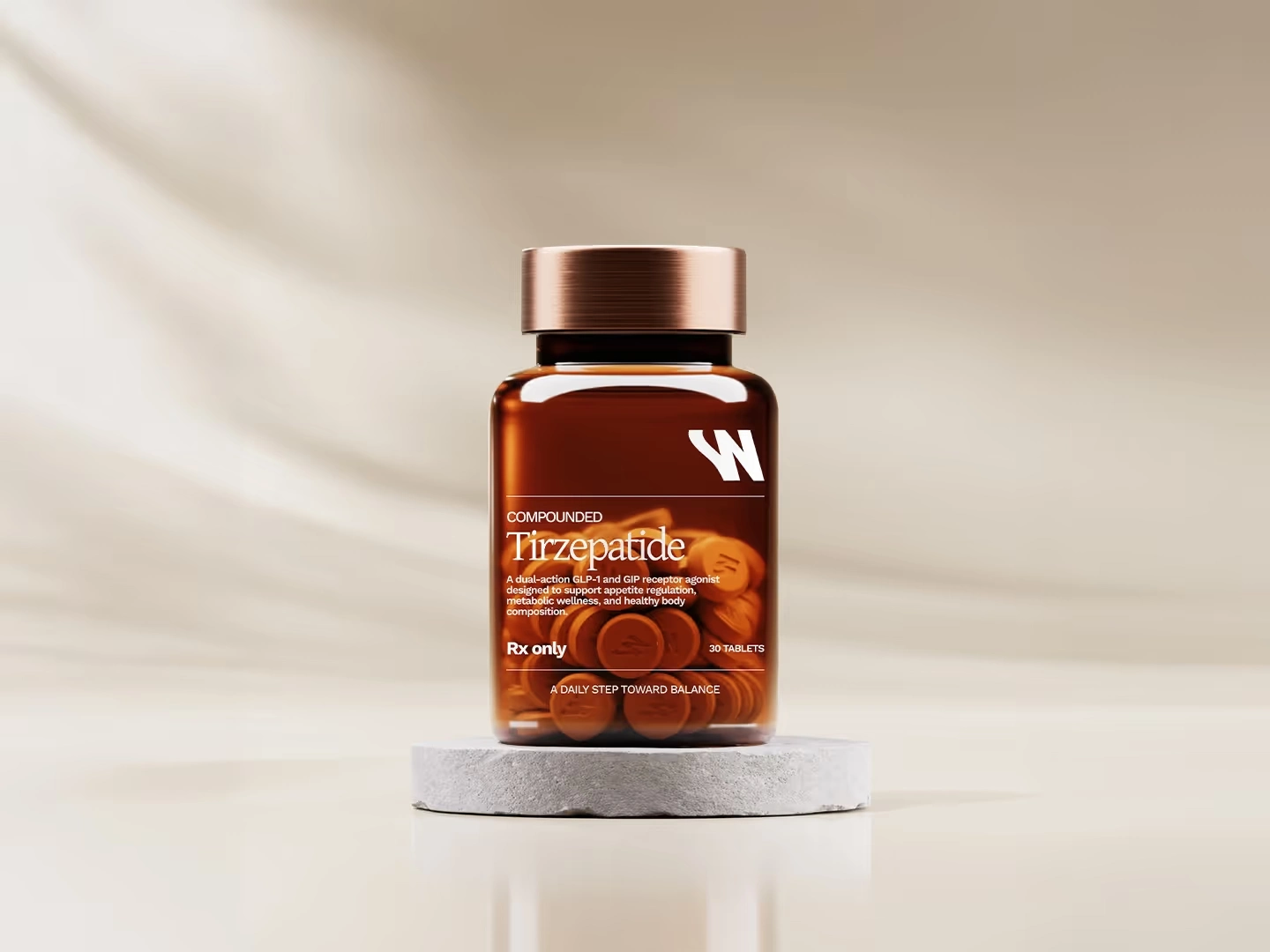
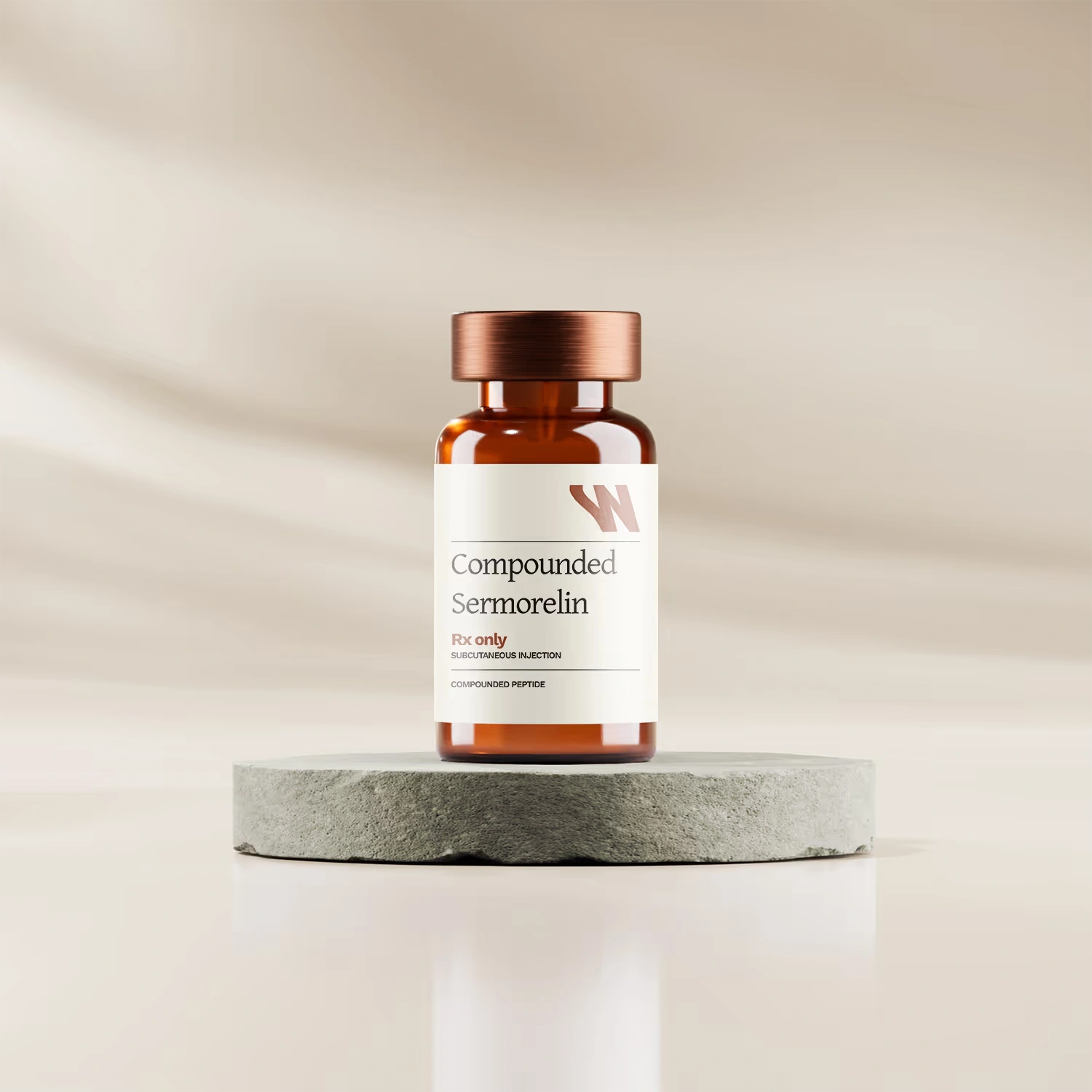
Here is where many women are landing. A GLP-1 handles appetite and drives sustainable fat loss, while sermorelin supports the body's natural production of growth hormone to protect lean muscle and aid recovery. Used together under medical supervision, the two address different parts of the same goal.
The logic is straightforward. Rapid weight loss from a GLP-1 alone can cost lean muscle mass, which slows metabolism. Adding sermorelin gives the body a signal to preserve and rebuild lean tissue, so the weight you lose is more likely to be fat. The result is better body composition rather than just a smaller number on the scale.
This stack is not right for everyone. It works best as part of a physician-guided plan that accounts for your hormone levels, health history, and goals, paired with the diet and lifestyle work that makes any protocol stick.
Beyond Weight: Other Peptides Women Are Exploring
Weight is rarely the only goal. As women learn more about peptide therapy, interest expands into recovery, skin, and resilience. These peptides are not weight loss tools, but they round out why the category has captured so much attention.
BPC 157 for Recovery and Gut Health
BPC 157 is a peptide of 15 amino acids studied for its role in tissue repair. Research reports that it supports angiogenesis and collagen production, reduces inflammation, and accelerates healing across muscle, tendon, and gastrointestinal tissue.⁶ For active women, it is often discussed for muscle recovery and reduced soreness after training.
Its gut health connection is part of the appeal, since BPC 157 derives from gastric proteins and appears to help maintain the intestinal lining. Human data remains limited, which is exactly why this peptide belongs in a supervised setting rather than a self-directed experiment.
Collagen Peptides for Skin, Hair, and Bone Density
Collagen peptides are a different, more familiar category. These peptides stimulate collagen synthesis, which supports skin elasticity, skin health, and connective tissue. Some research also links collagen production to bone density, a meaningful concern for women as estrogen declines.
Collagen peptides are widely available and gentle, making them an easy entry point. They will not drive the kind of fat loss a GLP-1 can, but they support the structural side of healthy aging.
Burn Fat Without the Crash: Why Mechanism Matters
The phrase "burn fat" gets thrown around carelessly, usually attached to stimulants that spike energy and then drop it. Peptide therapy works differently. By improving insulin sensitivity, supporting fat metabolism, and helping balance hormones, the right peptides help the body burn fat through its own pathways instead of brute force.
That distinction is why peptide based approaches tend to feel more sustainable. There is no jittery crash, just gradual support for the systems that regulate body weight and steady weight loss. AOD-9604, for example, is a peptide derived from a fragment of the GH molecule studied specifically for targeting fat without the jitters of stimulants. Tesamorelin, another GH-releasing peptide, has been studied for reducing visceral fat around the organs.
Peptides, Energy, and Clearing Brain Fog
Hormonal fluctuations do more than affect weight. They disrupt sleep, mood, and mental clarity, and brain fog is one of the most common complaints women report through the menopause transition. Because hormone balance and restorative sleep are tightly linked, protocols that support the body's natural GH production may indirectly help with energy and focus.
This is not a promise of a clear head overnight. It reflects how interconnected sleep, hormones, and cellular function are, and why a thoughtful peptide therapy plan considers the whole picture rather than weight alone.
Pairing Peptide Therapy With a Healthy Lifestyle
No peptide replaces the basics. Peptide therapy is most successful when paired with diet and lifestyle modifications, including a balanced diet, adequate protein, resistance training, and quality sleep. The peptides handle the biology that willpower cannot, and your habits handle the rest.
This pairing also protects your results. Weight regain often occurs after stopping peptide therapy, and trials confirm that participants tend to recover a large share of lost weight once treatment ends.⁷ A healthy lifestyle is what carries weight loss forward, which is why the strongest plans treat peptides as one part of a broader strategy for metabolic health and a healthy weight.
Safety, Side Effects, and Why Medical Supervision Matters
Peptide therapy is considered safe when supervised by a physician, and most side effects are mild and temporary. The most common include injection site irritation, mild headaches, and gastrointestinal issues, especially with GLP-1 compounds during dose increases. Microdosing can help ease that adjustment.
The non-negotiables are simple. Consulting a healthcare provider is essential before starting any protocol, peptides should never be self-prescribed, and quality peptides undergo third-party testing for safety and potency. Unregulated peptides bought outside medical channels skip all of that. A peptide therapy consultation is the right starting point for any woman considering peptides for weight loss and better health.
Investing in Your Health
Choosing how to approach weight loss and body composition is a personal decision, and the best one is informed. The science behind peptide therapy is genuinely promising, particularly for women whose hormones are working against them, but it is not a shortcut and it is not for everyone. The women who see the most from these protocols treat them as part of a long-term commitment to overall health, supported by professionals who know their history. If you are curious whether a GLP-1, sermorelin, or a thoughtfully combined approach fits your goals, the next step is a conversation with a licensed provider who can evaluate your individual needs. Start your journey today with a plan built around you.
About Whoosh
Whoosh is a premium physician-guided telehealth wellness platform focused on helping health-conscious adults optimize performance, longevity, recovery, and metabolic health through modern prescription wellness protocols. Built for people who already invest in their health, Whoosh combines a seamless online experience with ongoing physician oversight, trusted pharmaceutical partnerships, and science-backed wellness education.
The experience is designed to feel approachable, modern, and discreet. Patients complete a streamlined online intake, connect with licensed physicians remotely, and receive personalized physician-guided protocols delivered directly to their door through a compliant, fully remote process. Where Whoosh differentiates itself is in its focus on long-term optimization and high-quality care, including more approachable delivery formats such as oral options wherever scientifically viable. Explore peptide therapy or learn how it works to see whether Whoosh fits your goals.
Frequently Asked Questions
Meet the Author

Reviewed By

Related articles
.avif)
.avif)