GLP-1 Pills: What They Are, How They Work, and Why Oral GLP-1 Is Changing Weight Loss
.avif)
GLP-1 medications have reshaped how physicians approach weight loss and metabolic health. Now, with oral formulations available, more people can access these protocols without a weekly injection. Here is what you need to know about GLP-1 pills, how they work, and how Whoosh approaches oral GLP-1 care.
Key Takeaways
- GLP-1 pills offer a non-injectable alternative to semaglutide and tirzepatide, making physician-guided weight loss more accessible for more people.
- Clinical trial data shows oral GLP-1 medications can help individuals lose between 12% and 13.6% of their starting body weight over approximately 71 to 72 weeks.
- Both oral semaglutide and oral tirzepatide are available through Whoosh, and a physician will help determine which is the right fit based on your health history and treatment goals.
- Whoosh's microdosing approach allows for more personalized, lower-dose protocols that reduce side effects while maintaining meaningful weight loss results.
- Eligibility is based on body mass index (BMI), weight-related health conditions, and a full medical evaluation completed through Whoosh's streamlined online intake.
What Is a GLP-1 and Why Does It Matter for Weight Loss?
GLP-1 stands for glucagon-like peptide-1, a naturally occurring hormone produced in the gut after eating. When released, it signals the brain to reduce hunger, tells the pancreas to produce insulin in response to rising blood sugar, and slows the rate at which food moves through the digestive system.
GLP-1 receptor agonists are medications that mimic this hormone. By activating the same receptors the natural hormone uses, they reproduce its appetite-regulating and metabolic effects at a clinical level. The result for most people is reduced hunger, improved blood sugar management, and meaningful weight loss when combined with a nutritious diet and regular exercise.
GLP-1 medications were first developed to treat diabetes. Over time, researchers and clinicians recognized their significant impact on body weight, leading to FDA-approved indications for chronic weight management. Today, GLP-1s represent one of the most evidence-supported tools available in obesity care.
How GLP-1 Receptor Agonists Actually Work
GLP-1 receptor agonists work through three interconnected mechanisms that affect appetite, digestion, and blood sugar regulation simultaneously.
Appetite Regulation
The medication attaches to receptors in the brain, particularly in areas that govern hunger and satiety. This reduces hunger signals and can significantly quiet what clinicians call "food noise," the constant mental preoccupation with eating that many people experience. You feel full faster and stay full longer.
Slowed Digestion and Gastric Emptying
GLP-1s slow gastric emptying, meaning food moves through the stomach more gradually. This extends the feeling of fullness after a meal and helps moderate how quickly glucose enters the bloodstream, contributing to more stable blood sugar levels throughout the day.
Insulin Release and Blood Sugar Management
These medications stimulate the pancreas to release insulin when blood sugar levels rise, while simultaneously suppressing glucagon, the hormone responsible for signaling the liver to release stored glucose. Together, these effects help prevent dangerous blood sugar spikes, particularly relevant for people managing type 2 diabetes or insulin resistance.
The Rise of Oral GLP-1: From Weekly Injections to Daily Pills
GLP-1 medications were originally developed as injections, and for a practical reason. The active compounds are proteins, and stomach acids and digestive enzymes would typically break them down before they could be fully absorbed into the bloodstream.
Pharmaceutical researchers solved this problem in two ways. Injectable forms bypass digestion entirely. Oral versions use specialized delivery technology, including absorption enhancers, to help the active ingredient survive the digestive process and enter the bloodstream in sufficient quantities.
The result is a GLP-1 pill that can deliver clinically meaningful results. The oral form is formulated at a higher dose than the injectable version to account for what is lost during digestion and to ensure the medication is fully absorbed at therapeutic levels.
This development has opened GLP-1 care to a much broader population, particularly those who are hesitant about self-injecting or who prefer the simplicity of a daily pill as part of their routine.
Clinical Trial Data: What Oral GLP-1 Pills Actually Deliver
The evidence for oral GLP-1 medications continues to build, with clinical trial data showing results that rival their injectable counterparts for many patients.
Oral Semaglutide: PIONEER-1 and Beyond
The PIONEER-1 clinical trial evaluated once-daily oral semaglutide across multiple dosing groups over 26 weeks. The randomized, double-blind study demonstrated statistically significant improvements in blood sugar control at all tested doses, along with meaningful weight loss outcomes at the 14 mg dose compared to the placebo group.¹
High-dose oral semaglutide has since demonstrated more substantial results. Clinical trial data indicates that participants lost between 12% and 13.6% of their overall starting body weight over 71 to 72 weeks.² This places oral semaglutide firmly in the same category as many injectable options for patients who qualify and follow their treatment plan consistently.
The Oral GLP-1 Option vs. Weekly Injections
It is worth putting these numbers in context. In clinical trials, patients using injectable semaglutide lost an average of 15% to 16% of their body weight over 64 weeks, while those using an oral semaglutide formulation lost approximately 13%.² The difference is meaningful but modest, and for many people the convenience and lower friction of an oral format may more than offset a slightly lower average weight loss.
Tirzepatide has consistently shown greater weight loss than semaglutide at comparable doses in clinical trials, with some participants losing approximately 16% or more of their starting body weight.² Choosing between the two compounds is a clinical decision based on individual health history, metabolic profile, and treatment goals, not simply which drug produces the largest number on paper.
Oral Semaglutide vs. Oral Tirzepatide: Choosing the Right Protocol
Whoosh offers both oral semaglutide and oral tirzepatide. Understanding the difference between these two GLP-1 medications helps clarify why your physician's input matters in building the right protocol.
How Semaglutide Works
Semaglutide is a GLP-1 receptor agonist. It targets one hormone pathway, acting on the same receptors as naturally produced glucagon-like peptide-1 to regulate appetite, slow gastric emptying, and support insulin release. Oral semaglutide was studied extensively for both diabetes care and weight management across multiple large-scale clinical trials.
How Tirzepatide Works
Tirzepatide targets two hormone pathways. It activates both GLP-1 receptors and GIP (glucose-dependent insulinotropic polypeptide) receptors. GIP is another gut hormone involved in insulin signaling and fat metabolism. By activating both systems simultaneously, tirzepatide can produce stronger appetite suppression and greater weight loss results in many patients.
In clinical trials, tirzepatide has consistently shown greater weight loss than semaglutide at comparable doses, though both are effective for the right candidates.
Which One Is Right for You?
The honest answer is: it depends on your starting body weight, metabolic history, blood sugar regulation, and how your body responds to treatment. Some people achieve excellent results with oral semaglutide. Others benefit more from tirzepatide's dual mechanism, particularly if they have more significant insulin resistance or have not responded adequately to other GLP-1s.
This is exactly why physician oversight matters. A Whoosh physician will review your full health history, lab work, and treatment goals before recommending a protocol. The medication should match the person, not the other way around.
Microdosing GLP-1s: Whoosh's Approach to Smarter Weight Loss
One of Whoosh's most significant differentiators is its approach to GLP-1 dosing. Standard protocols from most telehealth platforms push patients toward maximum doses as quickly as possible. Whoosh takes a different position.
The Standard Approach and Its Limitations
Most GLP-1 treatment plans escalate dosing aggressively, keep patients at the maximum dose indefinitely, and do not adjust based on how much medication a person actually needs. Side effects, including nausea, vomiting, and fatigue, are a frequent result.
The Microdosing Difference
Whoosh's physician-guided protocols are oriented around the minimum effective dose, the lowest amount of medication needed to achieve meaningful results while keeping side effects manageable. As Dr. Jones explains: "The goal shouldn't be maximum medication. It should be the minimum effective dose. What I coach my patients towards is what I call microdosing maintenance. Instead of staying at the full dose forever, you work towards the lowest dose that still keeps the food chatter manageable."
This approach requires more clinical attention and personalization, which is precisely what Whoosh is built to provide. Microdosing is not simply taking less medication. It is a structured, physician-guided strategy to sustain weight loss on the least amount of GLP-1 necessary, while building the foundational habits, including consistent fasting, resistance training, and protein intake, that make long-term results possible.
Why This Matters for Side Effects
Gastrointestinal side effects such as nausea, vomiting, and diarrhea are common with both oral and injectable GLP-1 medications, occurring at rates similar across formulations and generally described as mild to moderate.⁴ Starting at lower doses and titrating carefully, as Whoosh's protocols are designed to do, is one of the most effective ways to minimize these effects while still achieving meaningful weight loss.
Who Is Eligible for GLP-1 Medications?
Eligibility for GLP-1 medications is determined through a clinical consultation, not a self-assessment. That said, the general framework follows established criteria based on body mass index and the presence of weight-related health conditions.
BMI-Based Eligibility
Adults with a body mass index of at least 30 are generally eligible for GLP-1 medications. Those with a BMI between 27 and 30 may qualify if they have at least one weight-related health condition documented in their health history.⁵
Weight-Related Health Conditions That May Qualify
Weight-related health conditions that can support eligibility include high blood pressure, high cholesterol, heart disease, liver disease, sleep apnea, and polycystic ovary syndrome (PCOS).⁵ These conditions indicate that excess weight is already affecting metabolic or cardiovascular health, making medical weight management clinically appropriate.
Medical History Considerations
Your physician will also review personal or family history of thyroid conditions, including a personal or family history of medullary thyroid carcinoma, as well as kidney problems, gallbladder disease, liver disease, and any current medications that could interact with GLP-1 therapy. Animal studies have raised concerns about thyroid tumors at high doses, and patients with relevant family history are typically not candidates for GLP-1 treatment.⁶
Important Considerations and Potential Side Effects
GLP-1 pills are not appropriate for everyone, and understanding the risk profile is part of making an informed decision.
Gastrointestinal Effects
In clinical trials, digestive symptoms were the most frequently reported side effects for oral GLP-1 medications, occurring at rates similar to those seen with injections. These include nausea, vomiting, diarrhea, and constipation, and are generally mild to moderate in severity.⁴ They tend to be most pronounced during dose escalation and often diminish as the body adjusts.
Serious but Rare Risks
GLP-1 medications can aggravate or trigger severe pancreatic inflammation in some patients.⁶ Both oral and injectable GLP-1 medications may cause gallbladder disease, and in rare cases involving patients with relevant risk factors, there have been associations with thyroid changes observed in animal studies.⁶ A serious allergic reaction is possible but uncommon.
Additionally, there is a documented increased risk of acute kidney injury in patients who become severely dehydrated due to vomiting or diarrhea, making hydration an important part of any treatment plan.
Drug Interactions
GLP-1s slow digestion, which can affect how other medications are absorbed. Anyone taking medications for blood sugar, blood pressure, or other conditions should disclose their full medication list during the intake process. This is part of why Whoosh's physician-guided approach includes a comprehensive health history review before any protocol is prescribed.
How to Take an Oral GLP-1 Pill Correctly
Taking a GLP-1 pill correctly matters more than it might seem. Unlike injectable forms, the oral form must be taken on an empty stomach and with a specific, measured amount of water. Taking it with food, coffee, or other beverages significantly reduces how much of the active ingredient is fully absorbed.
Most protocols call for the pill to be taken first thing in the morning, followed by a waiting period before eating or drinking anything other than water. Following these instructions consistently is essential for achieving the results seen in clinical trial data.
What Does a GLP-1 Pill Cost?
Cost is a practical consideration for anyone evaluating treatment options. Brand-name injectable GLP-1 medications currently carry list prices well over $1,000 per month, placing them out of reach for many patients without insurance coverage.³
Compounded oral semaglutide and tirzepatide, available through physician-guided telehealth platforms like Whoosh, are generally significantly more affordable than brand-name injectable options. Out-of-pocket costs for oral GLP-1 protocols vary by dose and pharmacy, but compounded formulations typically offer a meaningful cost advantage for self-pay patients.³
Insurance coverage for GLP-1 medications varies widely depending on your plan and diagnosis. Monthly costs can be significantly reduced for some patients through insurance and available savings programs.³ Speak with a Whoosh care coordinator to understand current pricing and what your specific protocol would cost.
Sustainable Weight Loss Requires More Than a Pill
GLP-1 medications are a meaningful clinical tool. They are not a replacement for the habits that produce lasting change.
The strongest outcomes in clinical trials and in real-world settings consistently involve a GLP-1 protocol combined with a reduced calorie diet, regular exercise, strength training, and ongoing physician oversight. Whoosh's approach is built around this model, not just prescribing medication, but providing the structure, education, and continued care that support long-term weight management.
The goal is not to stay on a maximum dose indefinitely. It is to use physician-guided GLP-1 therapy to build a foundation, then maintain your results at the lowest effective dose possible, ideally alongside sustainable lifestyle habits that make the medication do less work over time.
Investing in your Health: The Case for Oral GLP-1 and What Whoosh Offers
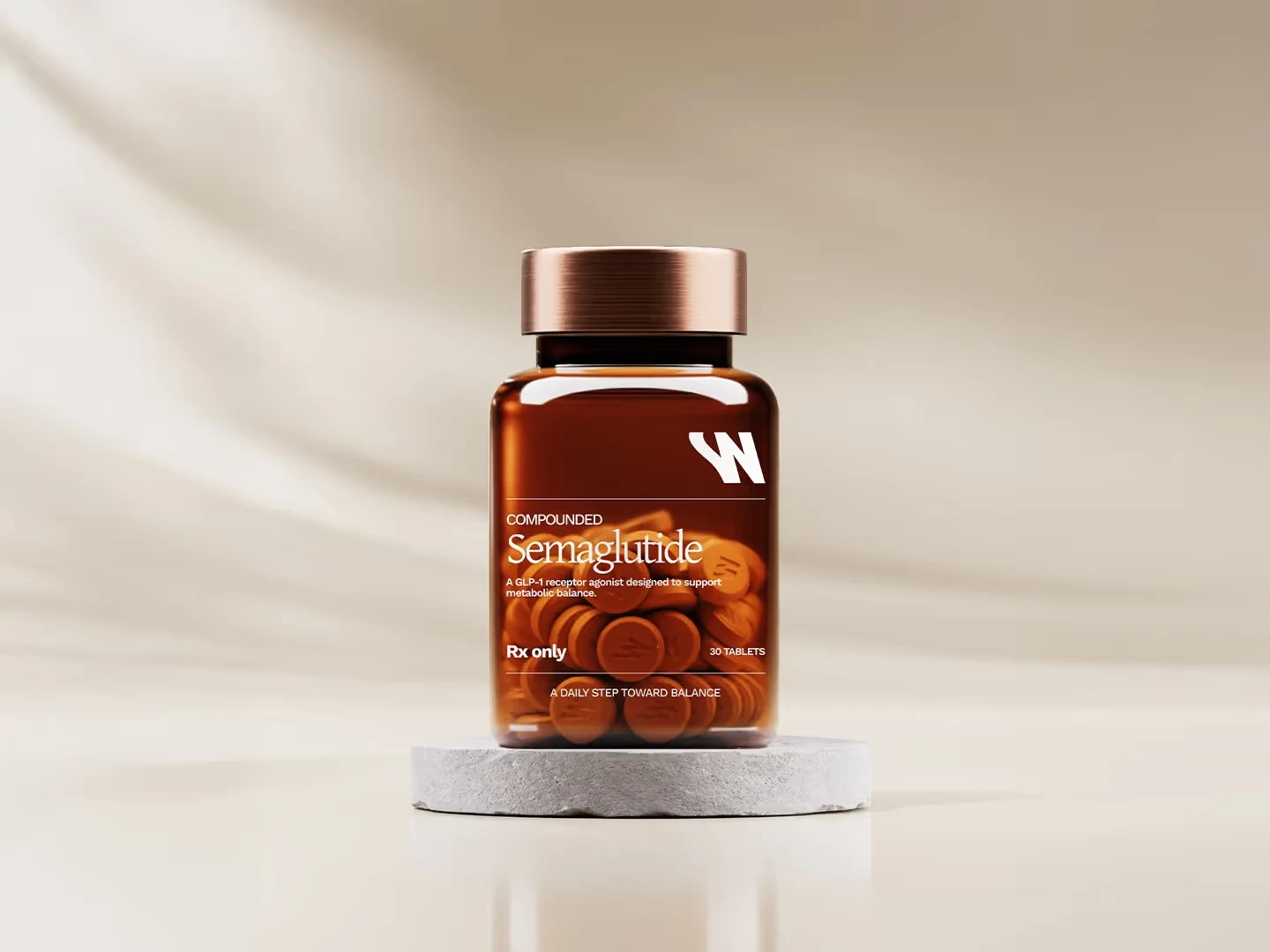
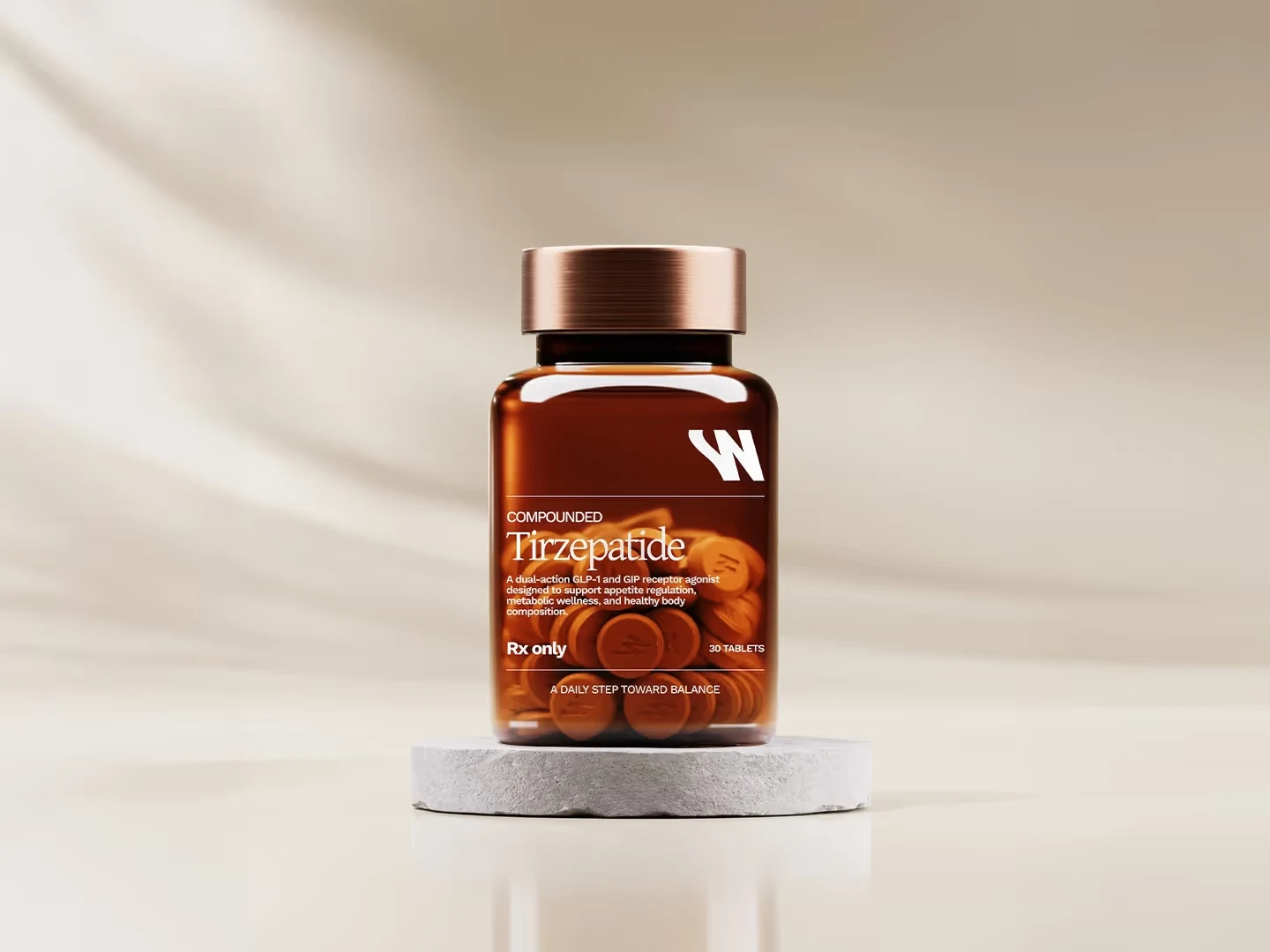
Oral GLP-1 medications represent a genuine advancement in how people can access effective, physician-guided weight loss care. For anyone who has been hesitant about injections, uncertain about eligibility, or frustrated by programs that push maximum doses without personalization, an oral semaglutide or oral tirzepatide protocol through Whoosh is worth a serious look.
Whoosh combines oral delivery options, a physician-guided microdosing philosophy, and a streamlined telehealth experience designed for health-conscious adults who want results without the friction. Whether your goal is to lose weight, improve blood sugar management, or build a long-term wellness protocol around metabolic health, Whoosh's GLP-1 programs are designed to meet you where you are.
Ready to explore whether an oral GLP-1 protocol is right for you? Contact Whoosh to get started.
About Whoosh
Whoosh is a premium physician-guided telehealth wellness platform focused on helping health-conscious adults optimize performance, longevity, recovery, and metabolic health through modern prescription wellness protocols. Built for people who already invest in their health, Whoosh combines a seamless online experience with ongoing physician oversight, trusted pharmaceutical partnerships, and science-backed wellness education. Patients complete a streamlined online intake, connect with licensed physicians remotely, and receive personalized physician-guided protocols delivered directly to their door, all through a compliant, fully remote process.
Frequently Asked Questions
Meet the Author

Reviewed By

Related articles
.avif)