Glutathione Benefits: What the Research Actually Supports

Glutathione is the most abundant antioxidant produced in the human body, built inside your cells from three amino acids. Research links glutathione levels to liver function, immune defense, metabolic health, and the aging process itself. Here is what the clinical evidence actually supports.
Key Takeaways
- Glutathione is composed of three amino acids (cysteine, glycine, and glutamate) and is the body's primary antioxidant defense at the cellular level.
- Levels decline naturally with age, which increases susceptibility to oxidative damage and chronic disease.
- Strong clinical evidence supports glutathione's role in liver detoxification, immune system function, and insulin resistance; skin and longevity applications are emerging.
- Both oral and injectable delivery options are available, with differences in bioavailability and clinical use.
- Cofactors like alpha lipoic acid and NAD+ help support the body's natural production and recycle glutathione into its active form.
What Is Glutathione?
Glutathione is a tripeptide made from three amino acids: cysteine, glycine, and glutamate. Your body produces it primarily in the liver and stores it in virtually every cell. Unlike many dietary antioxidants, the body makes glutathione internally, which is why it is often called the master antioxidant.
Production depends on adequate amino acids and cofactors. Aging, chronic stress, poor diet, and exposure to environmental toxins all reduce the body's ability to maintain optimal glutathione levels over time.
Reducing Oxidative Stress: Glutathione as a Powerful Antioxidant
Glutathione neutralizes harmful free radicals by donating electrons to these unstable molecules before they can damage cells, proteins, or DNA. It also regenerates vitamin C and other antioxidants, extending their protective activity across the cell.
Its central function is reducing oxidative stress, the imbalance between free radical production and the body's ability to neutralize them. Left unmanaged, chronic oxidative stress contributes to serious health conditions including heart disease, neurological decline, and various chronic diseases.¹
How Glutathione Levels Shift Through the Aging Process
Glutathione levels decline predictably as we age. Research has linked higher glutathione levels in adults past 80 to stronger longevity markers.² When glutathione levels fall, cellular repair slows, detoxification weakens, and immune resilience drops.
The aging process increases oxidative load at the same time production declines. This combination makes maintaining adequate levels one of the more practical targets in longevity-focused wellness care.
Glutathione Health Benefits: What the Research Actually Supports
Evidence for glutathione spans a range. Some applications are well-established in clinical literature. Others remain active areas of investigation. Distinguishing between the two matters for anyone considering a protocol.
Liver Health and Detoxification
The liver is the primary site of glutathione activity. Glutathione binds directly to heavy metals and other harmful substances, facilitating their removal. It also functions as a cofactor in enzymes that break down toxins before they can cause cellular damage.³
A 2017 clinical study found glutathione supplementation improved liver function markers in people with metabolic-associated steatotic liver disease.⁴ Glutathione levels decrease with age, and liver detoxification capacity declines with them.
Immune System Function
Glutathione plays a direct role in immune defense. It supports white blood cell activation, promotes antibody production, and helps regulate inflammatory signaling so the immune system responds appropriately rather than chronically.⁵
Low glutathione levels are consistently associated with weakened immune system performance. Maintaining adequate levels appears to support the body's ability to fight infection and recover from physical stress more efficiently.
Insulin Resistance and Metabolic Health
A 2021 randomized controlled trial found glutathione supplementation improved insulin resistance in obese males, with researchers citing the role of reducing oxidative stress as the key driver.⁶ Oxidative stress disrupts insulin signaling, so reducing oxidative stress at the cellular level can have meaningful downstream metabolic effects.
This area of research remains active. Consulting a healthcare professional before starting any supplementation protocol targeting metabolic health is always recommended.
Energy Levels and Mitochondrial Function
Mitochondria are the primary site of cellular energy production and a concentrated site of glutathione activity. When levels drop, mitochondrial function deteriorates, which can manifest as increased muscle fatigue and reduced energy levels overall.⁷
Maintaining adequate glutathione supports mitochondrial efficiency, a consideration particularly relevant for people experiencing age-related fatigue, high physical training loads, or chronic inflammatory conditions.
Skin Health and the Aging Process
Glutathione supports skin health by combating harmful free radicals that damage skin cells, reducing oxidative stress in skin tissue, and influencing melanin regulation. Research links it to reduced wrinkles, improved skin clarity, and reduced hyperpigmentation.⁸
Both oral and injectable glutathione protocols are used in skin health and rejuvenation contexts. Physician-guided use continues to grow as the underlying mechanisms become better understood.
How to Increase Glutathione Levels
Glutathione Supplements: Oral and Injectable Options
Glutathione supplements are available in oral and injectable formats. Liposomal and sublingual oral formulations have meaningfully improved bioavailability in recent years. Injectable glutathione, administered subcutaneously or intravenously, achieves more predictable plasma concentrations and is commonly used in clinical protocols.
The optimal format depends on individual goals, absorption considerations, and physician guidance. Both have a place in evidence-informed wellness protocols.
Diet, Sulfur-Rich Foods, and Amino Acid Support
The body's glutathione synthesis depends on a consistent supply of its building block amino acids, particularly cysteine. Sulfur-rich foods including garlic, onions, lean meats, and cruciferous vegetables supply these precursors and help support glutathione production.
A balanced diet provides the substrate pool needed for ongoing cellular health. A poor diet consistently undermines the body's natural production over time.
Alpha Lipoic Acid, Vitamin C, and NAD+
Alpha lipoic acid helps regenerate glutathione from its oxidized state back into its active form, making it one of the most useful cofactors for sustaining overall glutathione function. Vitamin C plays a parallel regenerative role.
NAD+, another compound central to mitochondrial health and cellular longevity, works in parallel with glutathione at the cellular level. Pairing them within a physician-guided protocol is increasingly common in longevity and recovery-focused care.
Overall Health: How the Evidence Stacks Up
The strongest evidence for glutathione involves reducing oxidative stress, liver detoxification, immune support, and metabolic health. Skin and longevity applications are supported by growing but still-maturing research. Investigational interest continues into cardiovascular protection, neurological health, and additional chronic disease applications.
For people focused on overall health and long-term cellular resilience, glutathione is one of the more clinically grounded options available. It works best as part of a comprehensive, physician-supervised protocol.
Why Patients Choose Glutathione Through Whoosh
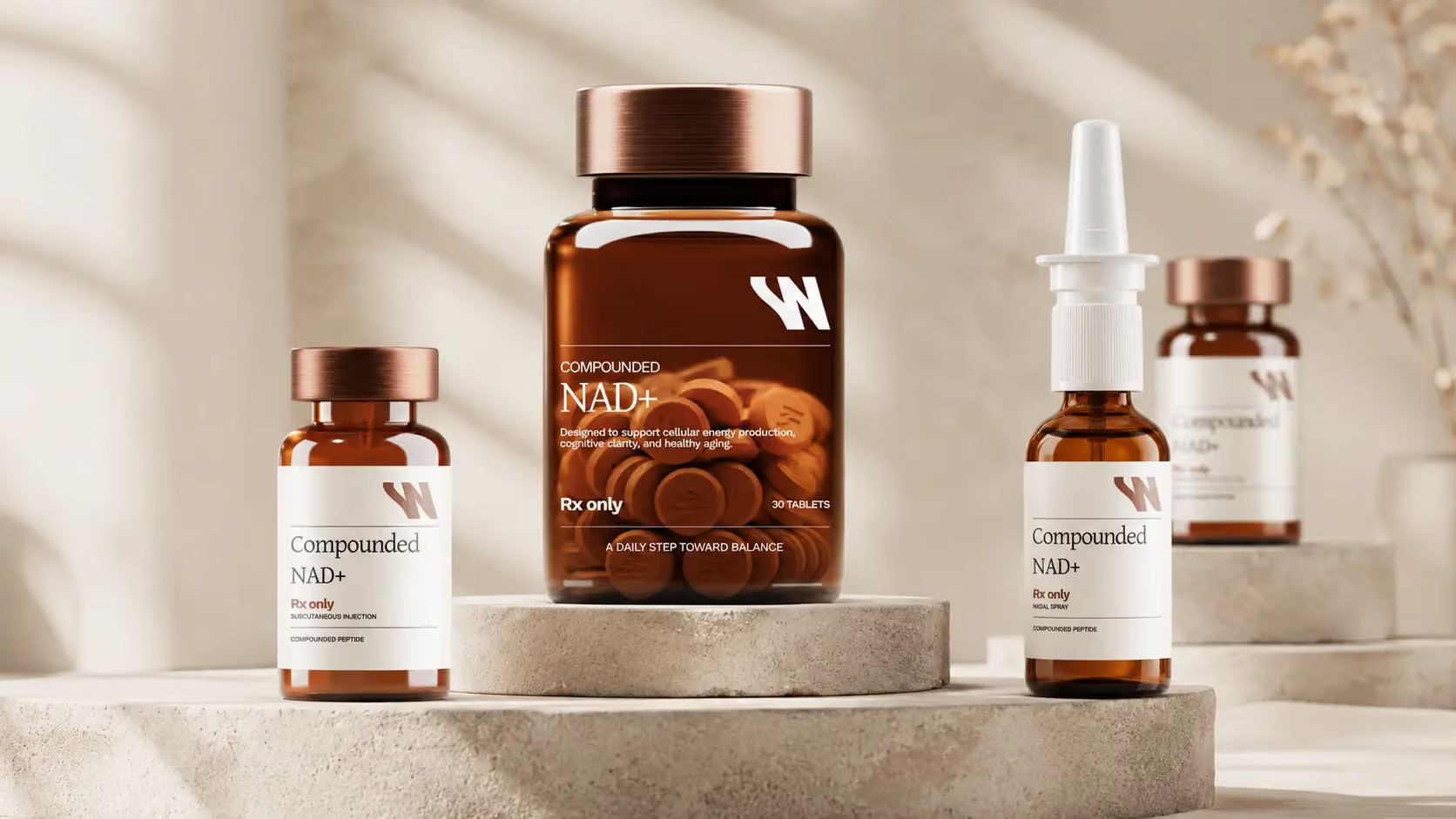
.avif)
Whoosh is a physician-guided telehealth wellness platform built for people who take their health seriously. For those exploring glutathione, Whoosh provides access to licensed medical providers who evaluate each person individually and develop protocols based on clinical need and personal health goals.
Whether you are considering oral glutathione supplementation or an injectable delivery format, Whoosh connects you with physicians who understand how glutathione fits within a broader longevity or recovery protocol alongside compounds like NAD+ and sermorelin.
Care is physician-supervised from intake through fulfillment, with ongoing oversight and clear communication at every step. Individualized protocols, not generic prescriptions. Learn more about Glutathione at Whoosh.
Frequently Asked Questions
Meet the Author

Reviewed By

Related articles
.avif)
.avif)