Does NAD+ Help With Weight Loss? What the Science Actually Says
NAD+ has become one of the most talked-about compounds in modern wellness, and for good reason. As researchers learn more about its role in cellular energy, metabolism, and aging, health-conscious adults are asking a straightforward question: can boosting NAD+ levels actually support weight loss? The science is nuanced, but it points in an interesting direction.
Key Takeaways
- NAD+ is a coenzyme central to energy production, mitochondrial function, and metabolic regulation, all of which influence how the body manages weight.
- NAD+ levels naturally decline with age, which can slow metabolic rate and make weight management more difficult over time.
- Research suggests NAD+ supplementation may improve insulin sensitivity, fat oxidation, and cellular metabolism, but it is not a standalone weight loss treatment.
- Daily use of NAD+ in accessible oral formats supports sustained cellular health and compliance better than sporadic IV therapy.
- NAD+ works best as part of a broader lifestyle foundation: consistent exercise, balanced nutrition, and physician-guided care.
What Is NAD+ and Why Does It Matter for Your Health?
NAD+ stands for nicotinamide adenine dinucleotide. It is a coenzyme found in every living cell, and it plays a central role in hundreds of metabolic reactions that keep the body functioning at its best. Without sufficient NAD+, the machinery that converts food into usable energy begins to slow down.
Nicotinamide adenine dinucleotide NAD+ functions as an electron carrier in the electron transport chain, the process by which mitochondria generate ATP, the body's primary fuel source. This connection to energy production makes it foundational to virtually every aspect of metabolism, including weight management.
NAD+ also activates a class of proteins called sirtuins, which regulate fat metabolism, gene expression, and cellular stress responses. Sirtuins have been studied extensively for their role in aging and metabolic health, and their dependence on NAD+ availability makes maintaining healthy NAD+ levels an important priority for anyone focused on long-term wellness.
Beyond energy production, NAD+ participates in DNA repair, circadian rhythm regulation, and the body's inflammatory response. These functions matter for weight management in ways that go beyond calorie math. They influence how the body stores fat, responds to insulin, and recovers from metabolic stress.
How NAD+ Levels Change Over Time
One of the most significant findings in NAD+ research is how dramatically levels decline with age. Studies show that NAD+ concentrations in human tissue can drop by as much as 50% between young adulthood and middle age. This decline accelerates with overnutrition, sedentary behavior, and chronic metabolic stress.
The practical consequence of this decline is real. Lower NAD+ levels are associated with slower energy production, reduced mitochondrial function, impaired DNA repair, and a diminished ability to regulate metabolic processes efficiently. For many people, this is part of why metabolism appears to slow with age and why weight management becomes progressively harder.
Natural NAD+ levels decline with age and overnutrition, which can slow resting metabolic rates and reduce the cellular machinery needed to burn fat efficiently. Restoring those levels through targeted supplementation has become a focus of growing scientific interest.
The Relationship Between NAD+ and Energy Production
Understanding how NAD+ connects to energy production is foundational to understanding its role in weight loss. NAD+ does not generate energy on its own. Instead, it acts as a critical shuttle within the mitochondria, accepting electrons during the breakdown of carbohydrates, proteins, and fats and delivering them to the electron transport chain.
This process, oxidative phosphorylation, is how the body produces the vast majority of its ATP. When NAD+ availability is sufficient, cellular energy production runs efficiently. When it is low, the process slows, and the body struggles to extract usable energy from the food it consumes.
NAD+ is essential for mitochondrial function, as it helps generate energy by facilitating the electron transport chain, which is crucial for ATP synthesis through oxidative phosphorylation. This means that supporting NAD+ levels is not just about feeling more energized. It is about maintaining the infrastructure of energy production at a cellular level.
For weight management, this matters because energy expenditure depends heavily on how efficiently cells process fuel. A body with robust cellular energy production burns calories more effectively at rest and during activity. Supporting that infrastructure through NAD+ supplementation may help the body maintain a healthier metabolic rate over time.
NAD+ and Mitochondrial Health: The Core Connection
Mitochondria are often described as the powerhouses of the cell, and that description holds. Every process that supports weight loss, from burning stored fat to fueling exercise to maintaining muscle mass, depends on mitochondrial health. NAD+ is one of the most important inputs mitochondria require.
Boost mitochondrial function by maintaining NAD+ availability, and you improve the engine that drives cellular metabolism. Mitochondria that function well generate more ATP, process fatty acids more efficiently, and respond better to the demands of exercise and recovery.
Research indicates that NAD+ supplementation can enhance mitochondrial function, which is crucial for maintaining optimal metabolic health as we age. This enhancement may help explain why some individuals report improved energy levels and more sustainable weight loss when incorporating NAD+ into a comprehensive wellness protocol.
Mitochondrial dysfunction has been identified as a contributor to obesity and metabolic disease. By supporting mitochondrial health through adequate NAD+ levels, the body may be better equipped to regulate body weight, resist fat storage, and maintain the energy expenditure needed for effective weight management.
Does NAD+ Help With Weight Loss? What the Research Shows
The question at the center of this article deserves a direct answer. Does NAD+ help with weight loss? The research suggests it can play a meaningful supporting role, particularly for people dealing with age-related metabolic decline, insulin resistance, or impaired fat oxidation.
Research indicates that NAD+ supplementation can lead to a reduction in body mass index and an increase in fat oxidation, which are beneficial for weight management. These effects appear most pronounced in populations where NAD+ depletion has already contributed to metabolic dysfunction.
In animal studies, restoring NAD+ levels in obese mice improved metabolic markers including glucose tolerance, insulin sensitivity, and body fat distribution. Obese mice treated with NAD+ precursors showed reduced liver fat, improved mitochondrial function, and better overall metabolic outcomes compared to controls.
In human studies, NAD+ precursor supplementation has been associated with improved cellular metabolism, reduced markers of metabolic stress, and better mitochondrial efficiency. While large-scale clinical trials specifically targeting weight loss remain limited, the mechanistic evidence is compelling.
NAD supports a faster metabolism but is not a standalone weight loss treatment. It works best as part of a structured protocol that includes regular exercise, balanced nutrition, and consistent physician guidance, the kind of integrated care that a platform like Whoosh is built to provide.
Fatty Acid Oxidation and How Fat Metabolism Works
One of the more direct pathways through which NAD+ influences weight loss is fatty acid oxidation, the process by which the body breaks down stored fat and converts it into usable energy. This process requires NAD+ as a cofactor and cannot proceed efficiently without adequate levels.
Fat metabolism depends on a functioning electron transport chain, which in turn depends on NAD+ availability. When cellular NAD+ levels drop, the body's ability to oxidize fat slows down, and fat storage can increase as a result.
NAD+ is involved in the activation of sirtuins, which are proteins that regulate fat metabolism and enhance the body's ability to use fat for energy, thus supporting weight loss. Sirtuins, particularly SIRT1 and SIRT3, are activated by NAD+ and have been shown to promote fat burning, reduce fat mass, and support lean body composition.
Supporting fatty acid oxidation through NAD+ supplementation may contribute to more effective weight management, particularly for individuals whose fat metabolism has been compromised by aging, sedentary habits, or chronic overnutrition. The result is a cellular environment that is more capable of mobilizing and burning fat.
NAD+, Insulin Sensitivity, and Glucose Metabolism
Insulin resistance is one of the most common barriers to sustainable weight loss. When cells stop responding effectively to insulin, the body struggles to regulate blood glucose, stores more energy as fat, and has difficulty burning fat efficiently. NAD+ plays a meaningful role in addressing this problem.
Restoring NAD+ levels can improve glucose tolerance and the body's response to insulin, reducing metabolic dysfunction and supporting more effective weight management. This improvement in insulin sensitivity affects multiple metabolic tissues, including liver, muscle, and adipose tissue.
NAD+ influences insulin secretion and glucose homeostasis through its activation of sirtuins and its role in the regulation of metabolic enzymes involved in cellular metabolism. Better glucose regulation means more stable energy levels, reduced fat storage, and improved overall metabolic health.
Restoring NAD+ levels helps cells process glucose better, lowering the risk of metabolic syndrome and reducing fat storage. For individuals managing weight alongside early signs of insulin resistance or metabolic syndrome, NAD+ supplementation under physician guidance may be a valuable addition to a comprehensive protocol.
Boosting NAD+ levels may aid weight management by enhancing metabolic rate and improving insulin sensitivity, creating a more favorable hormonal environment for body composition improvement.
Gene Expression, Sirtuins, and Long-Term Metabolic Function
The connection between NAD+ and gene expression runs deeper than most people realize. Through its activation of sirtuins and other NAD+-dependent enzymes called PARPs, NAD+ influences the expression of genes involved in energy metabolism, fat storage, inflammation, and cellular repair.
SIRT1, one of the most studied sirtuins, acts as a metabolic regulator that promotes fatty acid oxidation, suppresses fat storage, improves mitochondrial biogenesis, and helps regulate inflammatory pathways. All of these functions contribute to long-term weight management and metabolic health.
NAD+ plays a critical role in regulating metabolism by acting as a coenzyme for enzymes involved in both catabolic and anabolic processes, helping in the breakdown of carbohydrates, proteins, and fats to produce ATP, the body's primary energy source. This broad metabolic influence explains why NAD+ depletion can have wide-ranging effects on body weight and composition.
Gene expression changes driven by NAD+-dependent enzymes can shift the body toward or away from fat storage depending on cellular NAD+ availability. Maintaining adequate levels through supplementation supports a metabolic gene expression profile more aligned with lean body composition and sustainable weight loss.
Circadian Rhythms, Appetite Regulation, and Weight Management
Disrupted sleep and irregular eating patterns are well-established contributors to weight gain. What is less commonly understood is how deeply NAD+ is involved in the regulation of circadian rhythms, the internal clock that governs hunger, satiety, energy expenditure, and metabolic rate throughout the day.
NAD+ is involved in the regulation of circadian rhythms, which play a role in controlling hunger and satiety, helping to regulate appetite and prevent overeating. When NAD+ levels are depleted, circadian regulation can be disrupted, leading to misaligned hunger signals and impaired metabolic timing.
NAD+ has also been found to influence appetite-regulating pathways in the brain, potentially reducing cravings and promoting a feeling of fullness. This appetite-regulating effect is separate from the energy production and mitochondrial pathways discussed above, and it adds another mechanism through which NAD+ may support weight management goals.
Higher NAD+ levels may help improve metabolic health by enhancing the body's ability to regulate appetite and energy expenditure, which can support weight management efforts. For individuals who struggle with late-night cravings, inconsistent energy throughout the day, or disrupted sleep patterns, supporting NAD+ levels may offer meaningful metabolic benefits.
How the Body's Inflammatory Response Connects to Weight Gain
Chronic low-grade inflammation is both a cause and a consequence of excess body fat. Fat cells, particularly visceral fat cells, produce inflammatory signals that impair insulin signaling, disrupt metabolic pathways, and make it progressively harder to lose weight.
NAD+ plays a role in modulating the body's inflammatory response through its regulation of PARP enzymes and sirtuins. When NAD+ levels are adequate, these regulatory pathways help keep inflammation in check. When NAD+ is depleted, inflammatory signaling tends to increase, worsening metabolic dysfunction.
NAD+ helps maintain cellular homeostasis under stress conditions, such as oxidative stress or nutrient deprivation, by modulating metabolic pathways and influencing energy production. This capacity to reduce cellular stress contributes to a more favorable environment for weight management by addressing one of the root drivers of metabolic dysfunction.
Reducing inflammation through NAD+ support does not replace anti-inflammatory lifestyle strategies, but it adds a cellular mechanism that works in concert with regular exercise, balanced nutrition, and adequate recovery.
NAD+ and Cardiovascular Health: A Connected System
Weight management and cardiovascular health are inseparable. Excess body weight increases the burden on the cardiovascular system, and poor cardiovascular health limits the physical activity that supports weight loss. NAD+ touches both systems.
Research has explored NAD+'s role in cardiovascular health through its effects on mitochondrial function, inflammation, and cellular energy production. Cardiac muscle is among the most metabolically active tissue in the body, and its dependence on efficient energy production makes it particularly sensitive to NAD+ status.
Improving cellular energy production and reducing oxidative stress in cardiovascular tissue may support overall heart health while also enabling individuals to engage more effectively in the physical activity that drives weight loss. The two outcomes reinforce each other.
For individuals with metabolic diseases or elevated cardiovascular risk, physician-guided NAD+ supplementation may offer a complementary tool as part of a broader wellness strategy that includes weight management, regular exercise, and dietary optimization.
The Role of the Liver in NAD+ and Fat Metabolism
The liver is a central hub of metabolism, and NAD+ is deeply involved in how it functions. The liver regulates fatty acid oxidation, glucose output, lipid storage, and many other metabolic processes that directly influence body weight and composition.
Liver fat accumulation, known as non-alcoholic fatty liver disease, is closely associated with obesity, insulin resistance, and metabolic syndrome. NAD+ depletion has been shown to contribute to liver fat accumulation by impairing mitochondrial function and fatty acid oxidation in hepatic tissue.
Studies in animal models have shown that restoring NAD+ levels reduces liver fat and improves metabolic markers in liver tissue. This improvement in liver function supports more effective fat metabolism throughout the body and reduces the metabolic burden associated with excess liver fat.
Liver disease represents a significant public health challenge, and the metabolic pathways that contribute to it overlap substantially with those involved in weight management. Supporting hepatic NAD+ levels may offer benefits for both liver health and overall metabolic function.
Various Metabolic Pathways Influenced by NAD+
NAD+ does not operate through a single mechanism. It participates in various metabolic pathways simultaneously, each of which contributes in a different way to energy balance and weight management.
Key pathways influenced by NAD+ include glycolysis, which is the breakdown of glucose for energy regulated in part by NAD+ availability. The citric acid cycle, also known as the Krebs cycle, generates the electron carriers that fuel ATP production via the electron transport chain. Beta-oxidation is the process by which fatty acids are broken down in the mitochondria, requiring NAD+ as a cofactor. Gluconeogenesis is the liver's ability to produce glucose from non-carbohydrate sources, regulated by NAD+-dependent enzymes including SIRT1.
Supporting all of these metabolic reactions simultaneously through adequate NAD+ levels creates a cellular environment that is more capable of efficient energy production, fat burning, and metabolic regulation. This is why NAD+ cannot be reduced to a single-purpose compound. Its influence spans the entire metabolic landscape.
Benefits of NAD+ Beyond Weight Loss
While this article focuses specifically on weight loss, it is worth acknowledging the broader benefits of NAD+ supplementation. These extend well beyond metabolic health and contribute to overall wellness, which in turn supports more effective weight management.
The benefits of NAD+ that have been studied in research contexts include improved cognitive function, enhanced cellular repair, better sleep quality, increased physical energy, and more resilient responses to metabolic stress. NAD+ also plays a foundational role in DNA repair mechanisms, which become increasingly important as the body ages.
Supporting cellular health comprehensively creates conditions in which weight management becomes more sustainable. Energy levels improve. Recovery from exercise accelerates. Sleep quality supports better hormonal regulation. Cognitive function enhances decision-making around food and lifestyle.
The benefits of NAD+ are not limited to any single organ system or metabolic process. They represent a systemic uplift in cellular function that benefits virtually every aspect of health and wellness.
Why Daily Use Matters More Than Occasional IV Therapy
One of the most important practical considerations in NAD+ supplementation is consistency. NAD+ is not a compound the body can stockpile indefinitely. Cellular NAD+ levels fluctuate continuously based on metabolic demand, lifestyle, and supplementation habits.
IV therapy has historically been one of the more direct methods of NAD+ delivery, offering rapid absorption and immediate elevations in blood levels. But it comes with significant limitations: cost, time commitment, the need for clinic access, and the fact that benefits are transient without repeat administration.
The time and cost savings of self-administered oral or nasal spray NAD+ formats are substantial compared to repeated IV clinic visits. A daily oral protocol costs a fraction of IV therapy and can be integrated seamlessly into a morning routine, which is exactly how sustained cellular health is built.
Daily use of NAD+ in a self-administered format supports consistent cellular energy production and metabolic function in a way that sporadic IV sessions simply cannot match. Compliance determines outcomes. A protocol that a person will actually follow every day outperforms a more intensive protocol that gets skipped.
Cellular supplements like NAD+ precursors work best when combined with a healthy diet and consistent exercise. This is why Whoosh's approach centers on accessible oral NAD+ formats. They reduce friction, improve adherence, and integrate naturally into daily healthy lifestyle habits.
Oral NAD+ Supplementation: Accessibility and Compliance
The shift toward oral NAD+ formulations is one of the more meaningful developments in the telehealth wellness space. For years, IV infusion was considered the gold standard for NAD+ delivery, but that framing largely reflected the limitations of early oral formulations rather than any inherent superiority of IV administration.
Modern oral NAD+ formulations, including NAD+ precursors like NMN (nicotinamide mononucleotide) and NR (nicotinamide riboside), have demonstrated meaningful bioavailability and the ability to raise systemic NAD+ levels effectively. These precursors are converted to NAD+ inside cells through natural biosynthetic pathways.
NAD levels naturally decline with age, but they can be boosted through various methods including diet, lifestyle changes, and supplementation. Oral supplementation represents the most accessible and sustainable method for most people, especially when the goal is daily consistency rather than acute elevation.
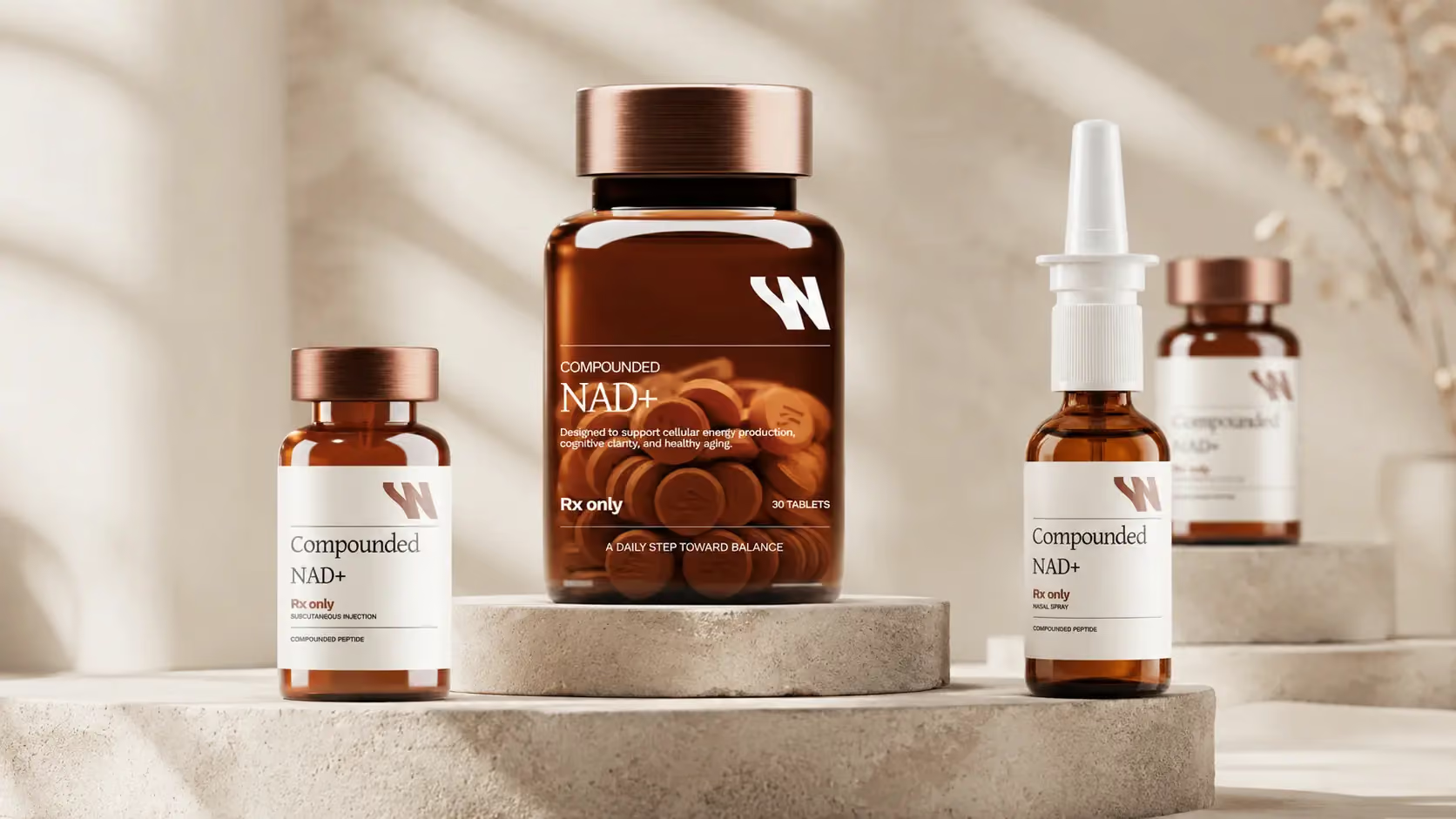
Whoosh offers NAD+ in both oral tablet and nasal spray formats, making it easy for individuals to build a consistent daily routine without the inconvenience, cost, or access barriers associated with IV therapy. This approach reflects a core principle: effective wellness protocols are ones people actually follow.
The tablet format in particular supports long-term compliance. It removes the intimidation factor of injections, fits naturally into a daily supplement routine, and makes physician-guided NAD+ support available to a much wider population.
NAD+ Supplementation and Boosting Metabolism
One of the more frequently asked questions about NAD+ is whether it can meaningfully boost metabolism. The honest answer requires some nuance.
NAD+ supplementation does not create metabolic effects out of thin air. It restores the cellular conditions necessary for efficient metabolism, particularly in individuals whose NAD+ levels have been depleted by aging, overnutrition, or a sedentary lifestyle. In that context, it can meaningfully support a faster and more effective metabolic rate.
Boosting metabolism through NAD+ works primarily through improved mitochondrial function, enhanced fatty acid oxidation, better insulin sensitivity, and more efficient energy expenditure at a cellular level. These are real, measurable metabolic improvements rather than marketing language.
NAD+ supplementation can enhance mitochondrial function, which is crucial for energy production and can help maintain optimal metabolic health as we age. For adults in their 40s, 50s, and beyond, when NAD+ depletion is most pronounced, this support may help counteract some of the metabolic slowdown associated with the aging process.
Boosting metabolism through NAD+ supplementation is most effective when paired with regular exercise, balanced nutrition, adequate sleep, and physician-guided oversight. It is a tool, not a treatment.
How Exercise Supports NAD+ Levels and Energy Production
Regular exercise does not just burn calories. It also stimulates the body's own NAD+ production, creating a positive feedback loop between physical activity and cellular metabolism.
Regular exercise, particularly high-intensity interval training (HIIT), has been shown to stimulate NAD+ production, enhancing mitochondrial function essential for energy production. This means that individuals who exercise consistently maintain higher baseline NAD+ levels, which in turn supports more efficient energy production and fat metabolism.
The relationship between exercise and NAD+ is bidirectional. Higher NAD+ levels improve mitochondrial function and energy availability, which makes exercise feel easier and more productive. More exercise stimulates additional NAD+ synthesis, deepening mitochondrial health. Together, they create the cellular conditions most favorable for sustainable weight loss and long-term metabolic health.
This is why Whoosh's physician-guided protocols are not built around isolated compounds. They are designed to support the full picture of metabolic health, including the lifestyle habits that maximize each protocol's effectiveness. NAD+ works best alongside regular exercise, not as a substitute for it.
Diet, Nutrition, and NAD+ Synthesis
What you eat has a direct impact on NAD+ levels. The body synthesizes NAD+ from dietary precursors, particularly niacin, also known as vitamin B3, and tryptophan.
A healthy diet rich in niacin can support NAD+ synthesis in the body, with foods like chicken, turkey, salmon, and peanuts being excellent sources. A balanced diet that includes these foods supports the body's natural NAD+ production as part of a broader nutritional foundation for metabolic health.
Balanced nutrition also supports the downstream effects of NAD+ supplementation. When the body has adequate protein, healthy fats, and micronutrients, the metabolic enzymes that depend on NAD+ can function more effectively. Poor nutrition limits the benefit of any supplementation protocol, including NAD+.
NAD+ levels can be increased through dietary sources and lifestyle changes, which can help improve metabolic health and support weight management efforts. For individuals serious about weight management, dietary optimization is not optional. It is the foundation that makes everything else work.
Boost Energy: How NAD+ Affects Daily Energy Levels
One of the most consistently reported benefits of NAD+ supplementation is improved energy levels. This subjective experience has a clear mechanistic basis: when cellular energy production improves, people feel more energized throughout the day.
This matters for weight management in a practical sense. Fatigue is one of the most common reasons people skip workouts, reach for high-calorie convenience foods, and make decisions that work against their weight management goals. When energy levels are consistently higher, these barriers become easier to overcome.
Boost energy by supporting the mitochondrial infrastructure that generates it, and NAD+ is central to that infrastructure. Improved cellular energy production creates a more active, higher-functioning baseline that supports better choices and more consistent physical output.
Energy levels also influence hormonal regulation. Fatigue is associated with elevated cortisol and disrupted appetite signals, both of which can contribute to weight gain. By supporting cellular energy production, NAD+ may help reduce some of the hormonal contributors to excess body weight.
NAD+ for Cellular Health and the Aging Process
The aging process is one of the primary drivers of NAD+ depletion, and addressing that depletion is one of the most compelling applications of NAD+ supplementation. Cellular health declines with age in part because the enzymatic processes that depend on NAD+ become less efficient as levels drop.
Supporting cellular health through NAD+ supplementation helps preserve mitochondrial function, DNA repair capacity, and metabolic resilience as the body ages. This is not simply an anti-aging aesthetic concern. It directly influences the body's ability to manage weight over time.
Studies have shown that NAD+ levels decline with age, which can negatively impact metabolism and contribute to weight gain, making NAD+ supplementation a potential strategy for weight management in older adults. For adults in middle age and beyond, this represents a meaningful intervention.
Supporting cellular health comprehensively also means addressing the metabolic stress that accumulates with age. Oxidative damage, impaired mitochondrial function, and reduced DNA repair capacity all contribute to the metabolic dysfunction that makes weight management harder over time. NAD+ addresses each of these through its role in cellular energy production and stress response.
DNA Repair, Cellular Resilience, and Metabolic Function
NAD+ is a required substrate for PARP enzymes, a class of proteins responsible for detecting DNA damage and initiating repair. Efficient DNA repair is not just a matter of cellular longevity. It also influences metabolic function by maintaining the integrity of the genes that regulate energy metabolism and fat storage.
When DNA damage accumulates and repair mechanisms are overtaxed, metabolic gene expression can be dysregulated. This contributes to impaired metabolic processes, reduced mitochondrial function, and increased susceptibility to metabolic diseases over time.
By supporting DNA repair through adequate NAD+ availability, the body maintains the cellular resilience needed to sustain optimal metabolic function across the lifespan. This is another reason why NAD+ supplementation has attracted serious attention in longevity research, not just as a metabolic support tool, but as a foundational investment in long-term cellular health.
Supporting Cellular Metabolism in Metabolic Tissues
NAD+ does not benefit all tissues equally. The metabolic tissues that play the largest roles in weight management, including skeletal muscle, liver, adipose tissue, and the brain, are among the most dependent on adequate NAD+ levels for optimal function.
Skeletal muscle is the largest metabolic sink in the body. Its ability to take up glucose, burn fat, and generate heat through thermogenesis is central to total energy expenditure. Muscle mitochondrial function depends heavily on NAD+ availability, making supplementation particularly relevant for individuals seeking to improve body composition.
Adipose tissue, or body fat, is not metabolically inert. It produces hormones, inflammatory signals, and other molecules that influence systemic metabolism. NAD+-dependent sirtuins in adipose tissue help regulate fat storage and fatty acid mobilization. Supporting cellular metabolism in fat cells through adequate NAD+ may help shift the balance toward fat oxidation and away from fat accumulation.
What to Expect From NAD+ Supplementation: A Realistic Perspective
Setting realistic expectations about NAD+ is important. It is a powerful tool with meaningful scientific backing, but it is not a magic solution for weight loss.
NAD+ supplementation works best when it addresses a genuine deficiency in cellular energy production and metabolic function. For individuals with significant NAD+ depletion, which is common in adults over 40, those with metabolic syndrome, and people under chronic metabolic stress, restoring levels can produce noticeable improvements in energy, metabolism, and weight management.
For younger, metabolically healthy individuals, the effects may be more subtle. That does not mean supplementation is without value. Supporting cellular health proactively is always worthwhile. But the dramatic improvements associated with more acute deficiency correction may not apply in every case.
Common side effects of NAD+ supplementation may include nausea, flushing, and gastrointestinal discomfort, which are generally mild and temporary but should be monitored closely. Starting with a lower dose and gradually increasing it under physician guidance helps minimize these effects while allowing the body to adapt.
Individuals with certain medical conditions or those taking specific medications should exercise caution when considering NAD+ supplementation, as interactions can occur. This is exactly why physician-guided supplementation protocols offer a meaningful advantage over self-directed purchasing. Oversight protects outcomes.
NAD+ Supplementation Quality and What to Look For
Not all NAD+ supplements are created equal. The supplement industry has limited regulatory oversight compared to pharmaceutical manufacturing, and product quality can vary significantly between brands.
There is a lack of regulation in the supplement industry, leading to variations in product quality and purity, which could impact the effectiveness and safety of NAD+ supplements. This makes the source of your supplementation protocol critically important.
Limited research is available regarding the long-term effects and safety of high-dose NAD+ supplementation, making it advisable to seek professional guidance and follow recommended dosage guidelines. Working with a physician who understands your metabolic health history ensures that dosing is appropriate and that supplementation is integrated into a broader strategy.
Whoosh's approach addresses this directly. Physician-guided protocols include oversight of supplementation quality, dosing, and monitoring, reducing the guesswork and risk associated with self-directed supplement use.
Combining NAD+ With Other Wellness Protocols for Better Weight Loss Results
NAD+ works best in combination with other elements of a comprehensive wellness protocol. Isolated supplementation without lifestyle support produces modest results. NAD+ as part of an integrated strategy produces meaningfully better ones.
For individuals focused on weight loss, a physician-guided protocol that combines NAD+ with regular exercise, balanced nutrition, adequate sleep, and stress management creates the ideal metabolic environment for sustained results. Each element supports the others.
NAD+ levels can be increased through dietary sources and lifestyle changes, and these approaches work synergistically with supplementation to maximize metabolic benefit. Healthy lifestyle habits amplify the effects of cellular supplementation. They are not alternatives to it.
For Whoosh patients incorporating NAD+ alongside other protocols such as GLP-1 support or hormonal optimization, the overlap in metabolic benefit is meaningful. NAD+ supports the cellular infrastructure that makes all other wellness interventions more effective.
Sustainable Weight Loss: The Long-Term View
Sustainable weight loss is not about short-term interventions. It is about building and maintaining the cellular and metabolic conditions that allow the body to function at its best over years and decades.
NAD+ supplementation, done consistently and under physician guidance, contributes to sustainable weight loss by addressing root causes of metabolic dysfunction rather than symptoms. Restoring mitochondrial function, improving insulin sensitivity, supporting fatty acid oxidation, and regulating appetite pathways all work in the direction of lasting results.
NAD+ plays a crucial role in cellular energy production, which is essential for maintaining a healthy metabolism and supporting weight loss efforts over the long term. This role does not diminish with time. In fact, it becomes more important as the body ages and NAD+ depletion becomes more pronounced.
The most effective weight management strategies are the ones people can sustain. Oral NAD+ supplementation fits naturally into daily routines. It is discreet, manageable, and designed to complement an active, health-conscious lifestyle. Combined with regular exercise, balanced nutrition, and physician oversight, it represents a scientifically grounded investment in long-term metabolic health.
Working With a Physician for NAD+ and Weight Management
Self-directed NAD+ supplementation is possible, but physician-guided care produces better outcomes. A physician can assess baseline NAD+ status, identify contributing metabolic dysfunctions, recommend appropriate dosing, and monitor progress in ways that an over-the-counter supplementation protocol simply cannot.
For individuals with specific weight management goals, whether losing a significant amount of body fat, improving metabolic health markers, or supporting long-term body composition, physician-guided care ensures that NAD+ supplementation is used strategically rather than speculatively.
Whoosh's telehealth platform makes physician-guided NAD+ support accessible without the time and cost associated with traditional clinic visits. A streamlined online intake connects individuals with licensed physicians who can evaluate their health history, recommend personalized protocols, and provide ongoing oversight, all from home.
This is what modern wellness care looks like: personalized, physician-guided, accessible, and built around the individual's specific health goals.
Investing in your Health
NAD+ is not a weight loss drug. It is something more foundational: a coenzyme that supports the cellular infrastructure underlying every aspect of healthy metabolism. By restoring mitochondrial function, improving insulin sensitivity, enhancing fatty acid oxidation, regulating appetite pathways, and supporting DNA repair, NAD+ creates the conditions in which effective weight management becomes more achievable.
The science supports NAD+ as a meaningful component of a comprehensive weight management strategy, particularly for adults experiencing the metabolic effects of age-related NAD+ decline. Daily use in accessible oral formats maximizes compliance and long-term benefit. Physician-guided oversight ensures that supplementation is targeted, safe, and integrated into a broader wellness protocol.
If you are serious about supporting your metabolic health and long-term weight management goals, NAD+ is worth understanding and incorporating with intention. Contact Whoosh to learn more about physician-guided NAD+ protocols designed for your specific health goals.
About Whoosh
Whoosh is a premium physician-guided telehealth wellness platform focused on helping health-conscious adults optimize performance, longevity, recovery, and metabolic health through modern prescription wellness protocols. Built for people who already invest in their health, from high-performing professionals to fitness-focused adults and longevity-minded consumers, Whoosh combines a seamless online experience with ongoing physician oversight, trusted pharmaceutical partnerships, and science-backed wellness education. Patients complete a streamlined online intake, connect with licensed physicians remotely, and receive personalized physician-guided protocols delivered directly to their door, all through a compliant, fully remote process.
Frequently Asked Questions
Meet the Author

Reviewed By

Related articles
.avif)
.avif)